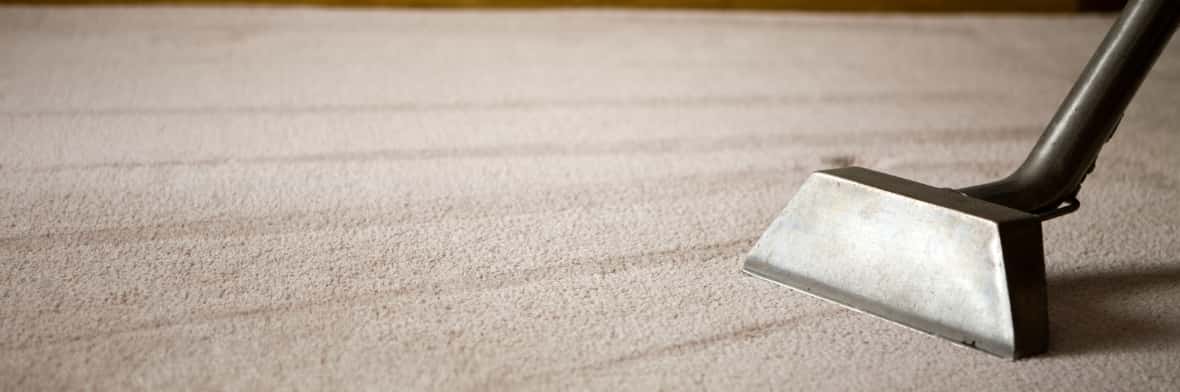
Carpets often begin to look tired in the areas that receive the most foot traffic. Hallways, entrances and routes between frequently used rooms may become flattened, dull and darker than the surrounding pile.
Professional carpet cleaning can often improve these areas by removing compacted soil and lifting fibres that have been weighed down by residue. However, the result depends on whether the carpet is simply soiled or has suffered permanent physical wear.
For households and businesses in Worcester Park, Sutton, a professional assessment can establish what is causing the flattened appearance and how much improvement is realistically achievable.
How Professional Cleaning Can Improve Flattened Carpet Fibres
Carpet fibres can become compressed by repeated walking, furniture and accumulated contamination. Fine soil settles into the pile, while oily residues cause fibres to cling together. This combination can make the carpet look flat even when regular vacuuming is taking place.
Professional cleaning targets the contamination holding the pile down. Suitable preparation, agitation and extraction can help separate the fibres, restore movement within the pile and create a fresher, more even appearance.
Why Carpet Fibres Become Flattened
Flattening is not always caused by one issue. Common contributing factors include:
- repeated foot traffic
- embedded dry soil
- oily residues from footwear
- furniture pressure
- insufficient vacuuming
- product residue from previous spot cleaning
- the carpet’s fibre type and construction
- gradual abrasion over time
Understanding the cause is important because a carpet affected mainly by compacted soil may respond well to cleaning, while severely worn fibres may show more limited improvement.
Deep Soil Removal Can Restore the Pile’s Appearance
Vacuuming removes loose surface particles but may not reach all the contamination embedded deep within the carpet. As these particles accumulate, foot traffic presses them against the fibres and contributes to a dull, matted appearance.
Professional cleaning begins with thorough preparation to loosen this material. The appropriate cleaning process then removes soil and residues from within the pile.
Once the contamination is extracted, the fibres may separate more freely and stand more upright. This can make previously darkened traffic lanes look noticeably cleaner and less compressed.
Agitation Helps Release Compacted Contamination
Depending on the carpet, controlled agitation may be used to distribute the cleaning solution and loosen soil attached to the fibres.
This stage can be particularly useful in busy walkways where contamination has become heavily compacted. It helps prepare the carpet for extraction without relying on excessive moisture or aggressive scrubbing.
The method must suit the fibre and construction. Delicate carpets require a different approach from hard-wearing synthetic materials.
Pile Grooming Can Improve the Finished Appearance
After cleaning, the carpet may be groomed using appropriate equipment. This helps arrange the fibres consistently, reduces visible wand marks and encourages the pile to dry in a more uniform position.
Grooming can improve how light reflects from the carpet, making cleaned areas appear more even. It can also help separate fibres that remain grouped together after extraction.
Although grooming does not repair worn material, it is an important part of achieving a tidy finish.
Traffic Lanes May Be Soiled and Worn
Dark, flattened walkways are often assumed to be heavily stained. In reality, their appearance may result from both contamination and fibre wear.
Cleaning can remove the soil, but it cannot replace fibres that have been permanently abraded. A cleaned traffic lane may therefore look much better while still reflecting light differently from the less-used carpet around it.
A professional cleaner should distinguish between removable soiling and permanent wear before setting expectations.
Can Furniture Marks Be Removed?
Heavy furniture can compress carpet fibres and underlay, leaving visible indentations. Cleaning and grooming may help some fibres recover, particularly when the compression is relatively recent.
Older or deeper marks can be more persistent. The likelihood of improvement depends on:
- the weight of the furniture
- how long it remained in position
- the carpet’s fibre type
- the density of the pile
- the condition of the underlay
- whether the fibres have been permanently distorted
Professional treatment may soften the appearance, but complete recovery cannot always be guaranteed.
Fibre Type Affects the Result
Different carpet fibres respond differently to pressure and cleaning. Wool has natural resilience but requires carefully controlled treatment. Synthetic fibres can be durable, although some may retain crushing or develop a sheen in heavily used areas.
The carpet’s pile style also matters. Cut pile, loop pile and twist pile carpets each show wear differently and require suitable handling.
Identifying the material before cleaning allows the process to be adapted to protect the fibres and achieve the best practical result.
Product Residue Can Make Fibres Feel Stiff
Previous use of household carpet shampoos or stain removers can leave residue within the pile. This may cause fibres to feel stiff, attract fresh soil and remain stuck together.
Professional rinsing and extraction can often remove much of this residue. The carpet may then feel softer and look less matted once it has dried.
Repeatedly applying more product without extracting the existing residue can make the problem worse, so affected areas should be assessed before further treatment.
Regular Cleaning Helps Limit Premature Flattening
Professional cleaning is most effective when arranged before traffic lanes become severely worn. Removing abrasive soil helps reduce the continued rubbing that occurs whenever people walk across the carpet.
Routine maintenance should include:
- regular vacuuming with suitable equipment
- prompt attention to spills
- avoiding excessive spot-cleaning products
- repositioning movable furniture where practical
- using entrance mats to reduce tracked-in soil
- arranging professional cleaning before heavy soiling develops
These steps cannot prevent normal wear, but they can help the carpet retain a more consistent appearance.
What Improvement Is Realistic?
Professional cleaning can often brighten tired fibres, remove embedded soil, reduce matting and improve the definition of the pile. Results are usually strongest where the flattened appearance is mainly caused by contamination or residue.
Cleaning cannot reverse permanent abrasion, restore missing fibres or repair a worn backing. A proper pre-cleaning assessment is therefore valuable because it separates cleanable conditions from physical damage.
Conclusion
Professional carpet cleaning can revive many flattened and tired-looking fibres by removing compacted soil, breaking down residue and grooming the pile. It can substantially improve busy walkways when contamination is the main cause of the problem.
Where fibres have been permanently worn or distorted, cleaning can still freshen the carpet but may not restore its original texture completely. If your carpet in Worcester Park, Sutton looks dull, matted or uneven, Worcester Park Carpet Cleaning can assess its condition and recommend an appropriate treatment. Contact the team to arrange a professional carpet clean.
Call us on: 0203 835 6079
Click here to find out more about Worcester Park Carpet Cleaning
Click here to complete our contact form and see how we can help with your Carpet needs.